Optimal Timing for Wood Stove Installation
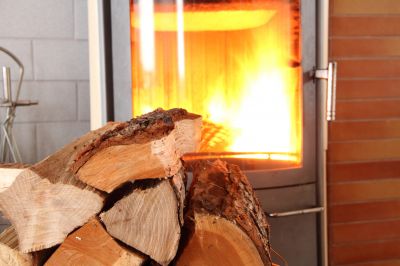
Spring offers mild weather, making it ideal for installing wood burning stoves before the colder months.
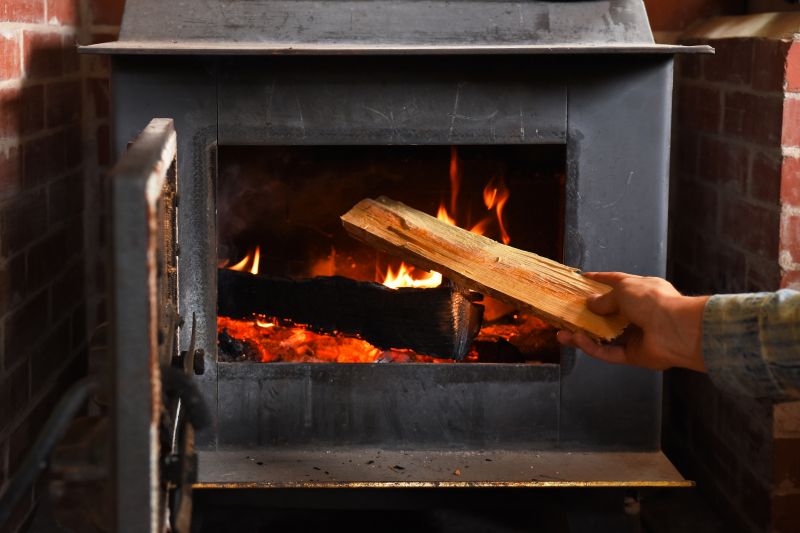
Summer provides an opportunity to complete installations with minimal disruption, ensuring readiness for winter.
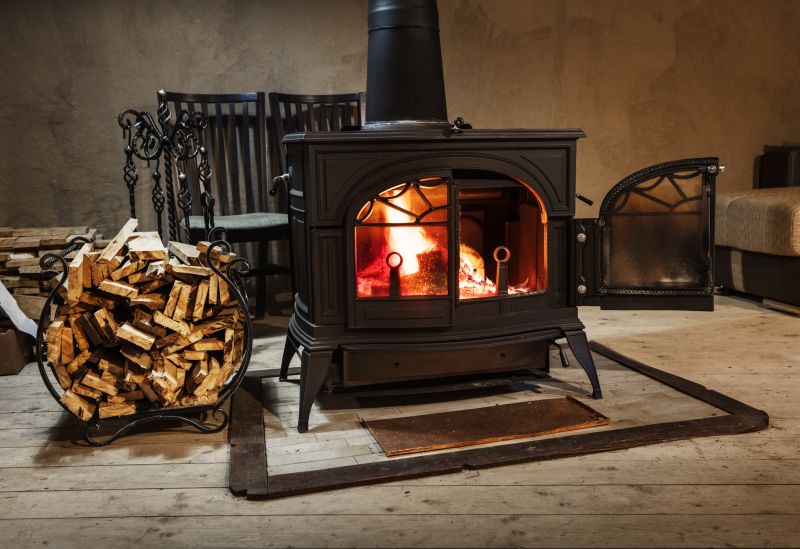
Fall is the optimal time to install stoves to maximize efficiency during the heating season.
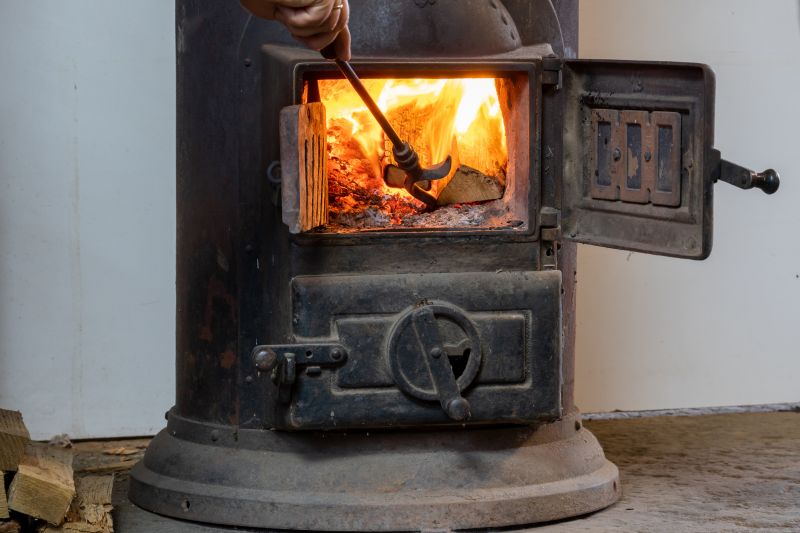
Ways to make Wood Burning Stove Installations work in tight or awkward layouts.
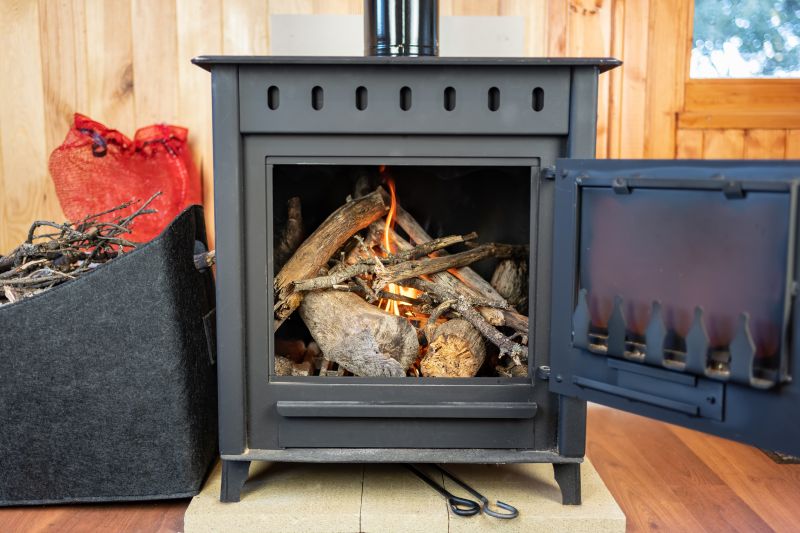
Popular materials for Wood Burning Stove Installations and why they hold up over time.
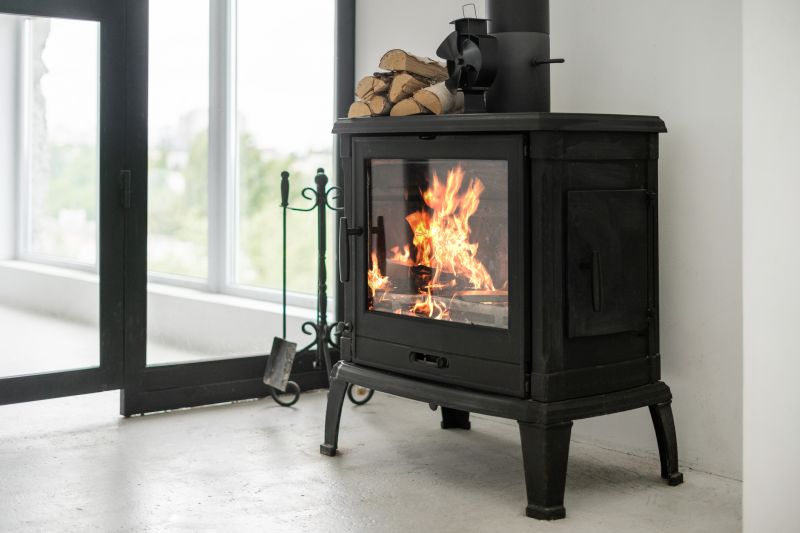
Simple add-ons that improve Wood Burning Stove Installations without blowing the budget.
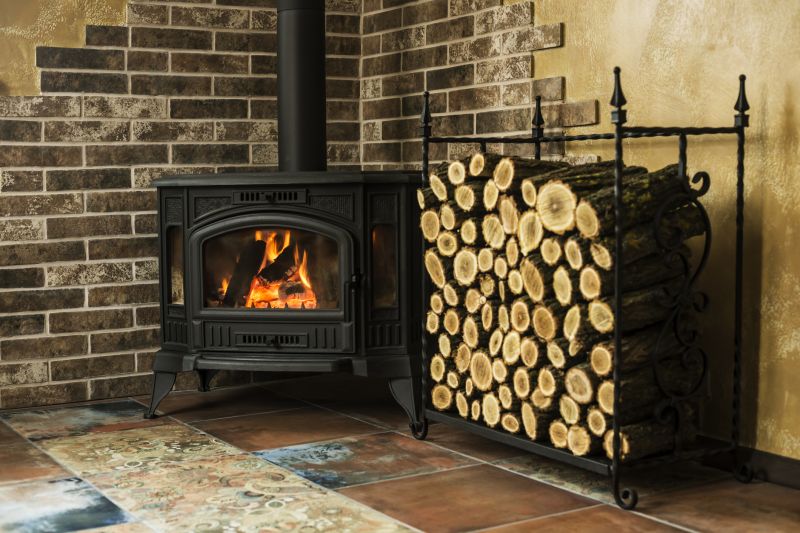
High-end options that actually feel worth it for Wood Burning Stove Installations.
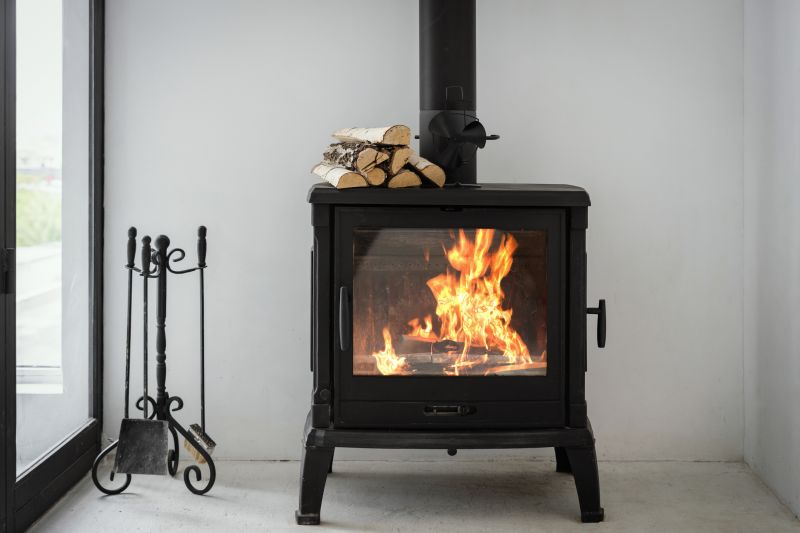
Finishes and colors that play nicely with Wood Burning Stove Installations.
Wood burning stove installations are typically scheduled based on seasonal weather conditions and the need for heating. Installing during milder months reduces the risk of weather-related delays and allows for proper setup before the heating season begins. Proper installation ensures optimal performance, safety, and efficiency, which are critical for effective heating and compliance with safety standards.
Statistics indicate that the majority of installations occur in late summer and early fall, aligning with the approach of colder weather. This timing helps homeowners avoid the inconvenience of installing during winter when outdoor conditions are less favorable. Planning ahead can also ensure that all necessary permits and inspections are completed in a timely manner.
Weather conditions influence installation schedules, with dry, mild weather preferred for safety and efficiency.
Scheduling installations ahead of winter ensures adequate time for proper setup and testing.
Certain permits and inspections are easier to coordinate during off-peak seasons.
Off-season installations may be more cost-effective due to lower demand.
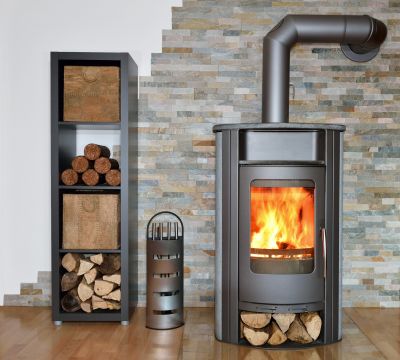
Technicians installing a wood burning stove in a residential setting.
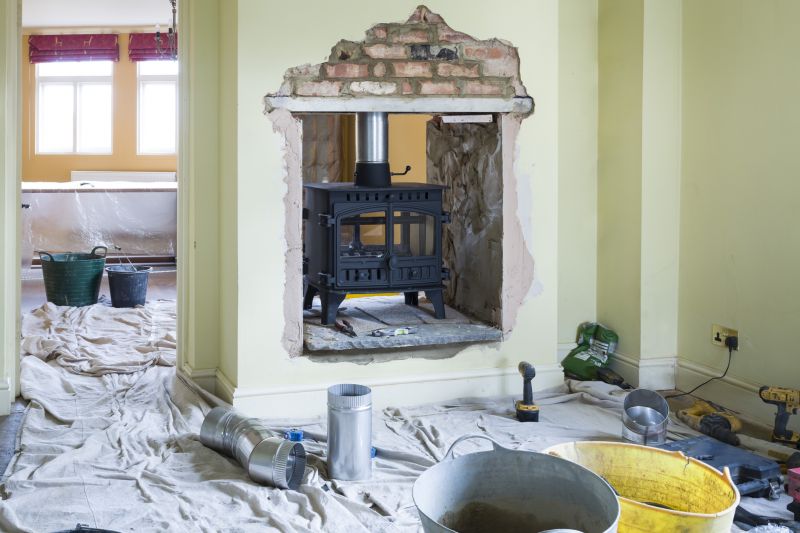
A finished installation ready for use with proper venting and clearance.

Preparation of the outdoor area for stove setup and venting.
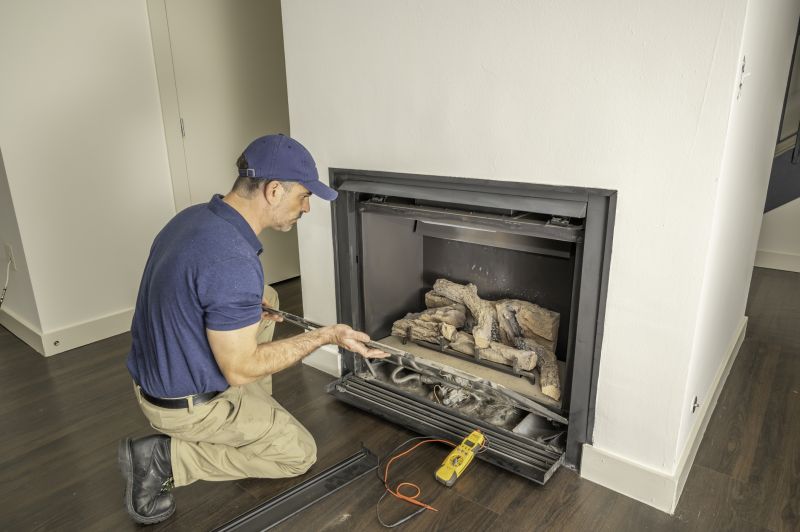
Inspection of the installation for safety and compliance.
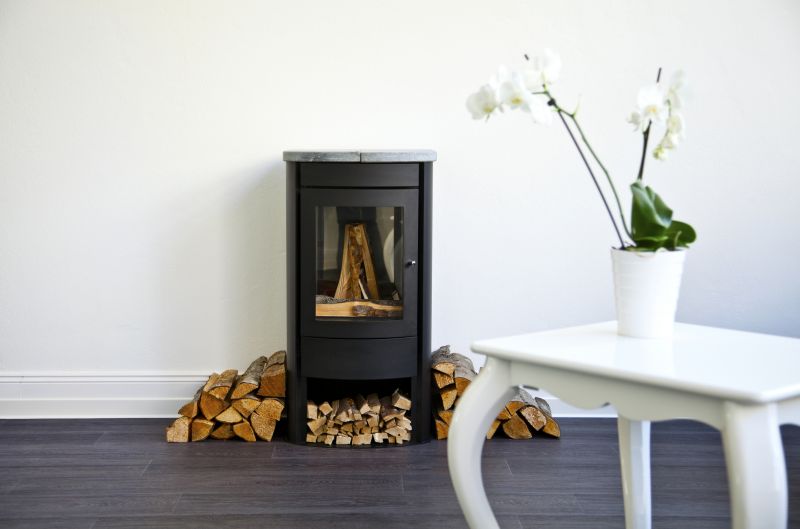
Essential tools used during the installation process.
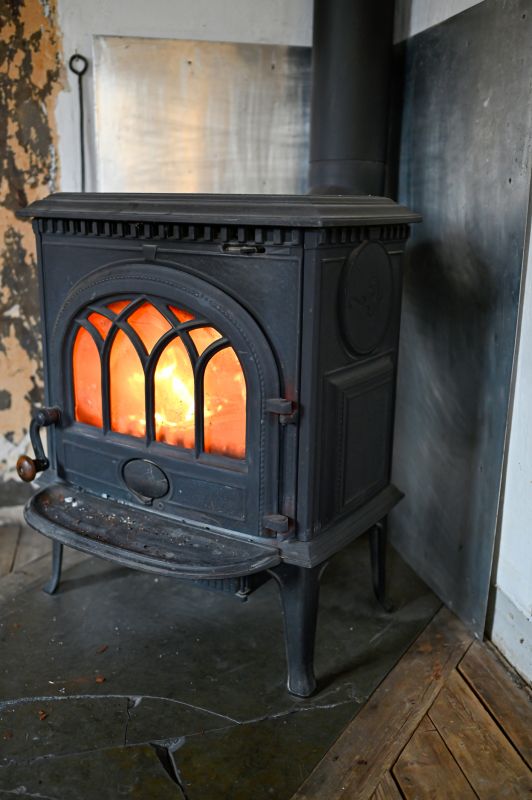
Optimal positioning of the stove within a living space.
Proper venting installation to ensure safe exhaust flow.
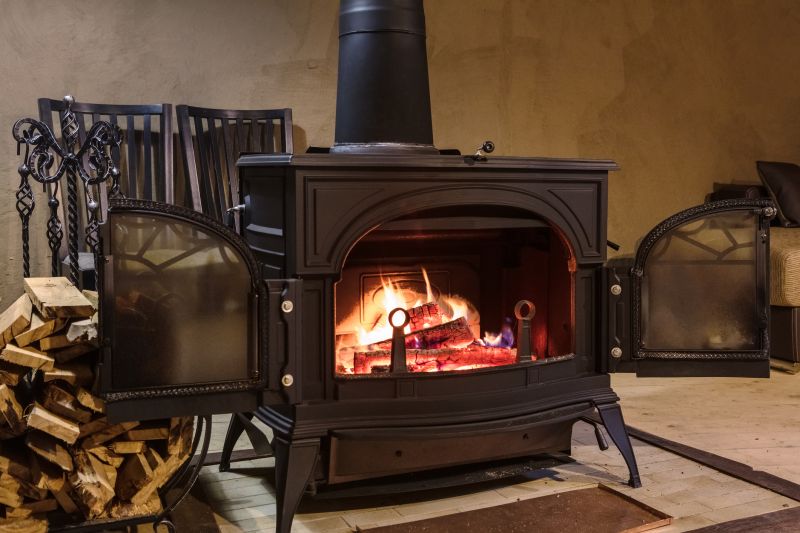
Maintaining required clearances around the stove for safety.
| Timing Aspect | Details |
|---|---|
| Spring | Ideal for preparation before winter, moderate weather conditions. |
| Summer | Allows for installations with minimal disruption, early readiness. |
| Fall | Peak installation time to ensure stove is operational for cold months. |
| Winter | Less common due to weather challenges; only if urgent. |
| Early Planning | Provides ample time for permits, inspections, and setup. |
| Late Planning | May lead to delays and less optimal installation conditions. |
Choosing the right time for a wood burning stove installation depends on weather, scheduling flexibility, and readiness for the heating season. Proper timing ensures safety, efficiency, and compliance, making early fall and late summer the most recommended periods. Planning ahead can streamline the process and ensure the stove is ready to provide reliable heat during the colder months.
Interested in scheduling a wood burning stove installation? Filling out the contact form can help coordinate a suitable time and ensure all necessary preparations are completed for a successful setup.